Recipes
Simple Cooking
Tips & Tricks
Recipes
Simple Cooking
Tips & Tricks
Quick Kids' Recipes: 8 Ideas Under 20 Minutes
Quick Kids' Recipes: 8 Ideas Under 20 Minutes
FamFood
|
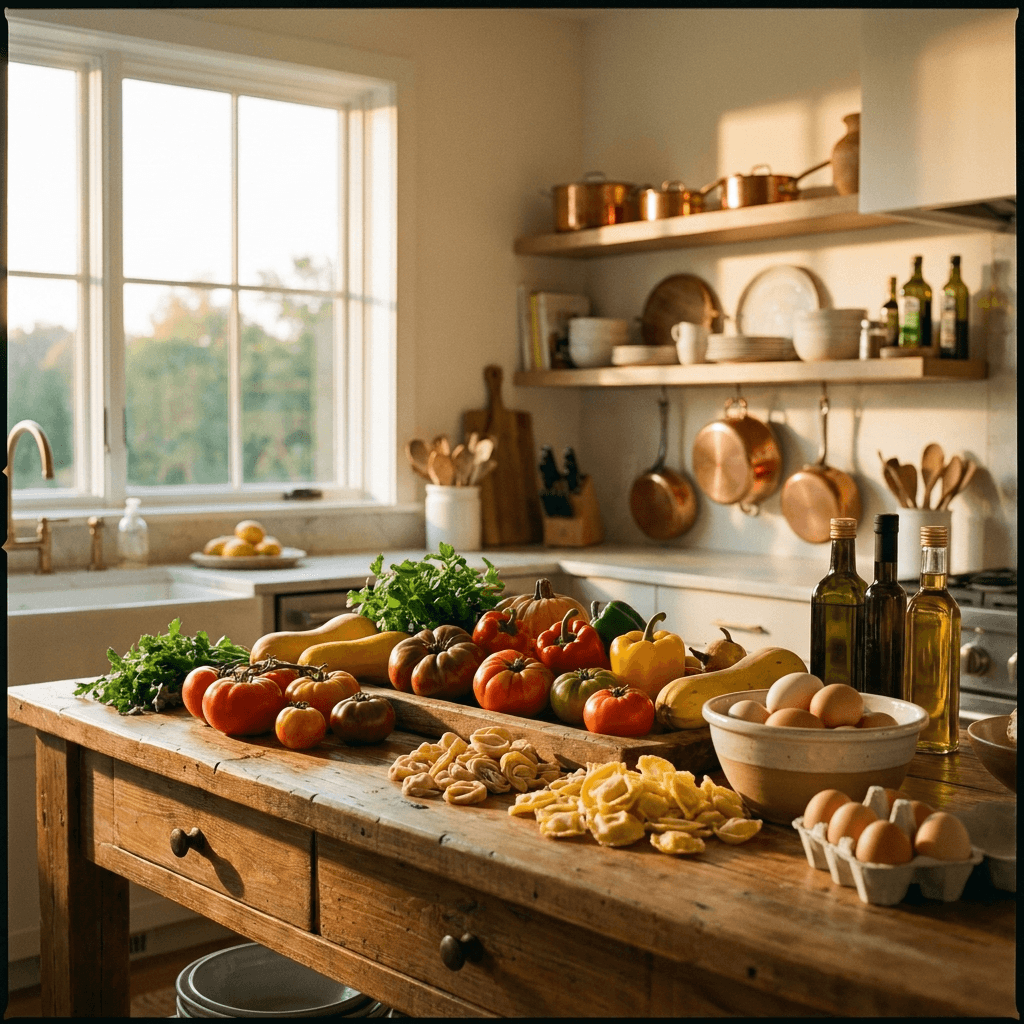
It's 5:45 p.m. The kids are hanging off the fridge, you have zero ideas, and dinner needs to be on the table in under 20 minutes. Every parent knows this scenario. No Pinterest feed full of elaborate bento boxes helps here.
This post doesn't show you a long recipe list. It shows you a system: How to get a real dinner on the table in under 20 minutes, with your kids involved instead of in the way.
Key Takeaways
A kid-friendly quick recipe needs max 6 ingredients and one hands-on moment for kids 5+.
If you keep 10 pantry staples stocked, you can make weeknight dinner 80% of the time without shopping.
Kids who cooked are 3x more likely to eat the dish they helped make (University of Copenhagen, 2012).
The 3+2 planning principle cuts mental load noticeably without killing spontaneity.
What actually makes a recipe kid-friendly and quick?
A recipe is kid-friendly when it has max 6 ingredients, no wait-times over 5 minutes, and at least one step a 5-year-old can do themselves. Quick means: from empty table to full plate in under 20 minutes. Not according to the recipe site, but in real life with kids in the room. Standard recipe websites measure cooking time without kids as a variable. A recipe that takes 12 minutes solo takes realistically 18 minutes with a 7-year-old present. That's not bad news, that's planning baseline.
Two things decide whether a recipe is truly fast or just looks fast:
Ingredient count vs. prep steps. Five ingredients with seven steps are slower than seven ingredients with three steps. Count the handgrips, not the products.
Active cooking time vs. total time. Pasta cooks for 10 minutes on its own. That doesn't count toward active time. If your kid stirs the sauce during that passive phase, you've worked in parallel and saved real minutes.
Kids lose interest in the first two minutes if they have nothing to do. Give them a task immediately and you'll keep the kitchen calmer and dinner finished faster.
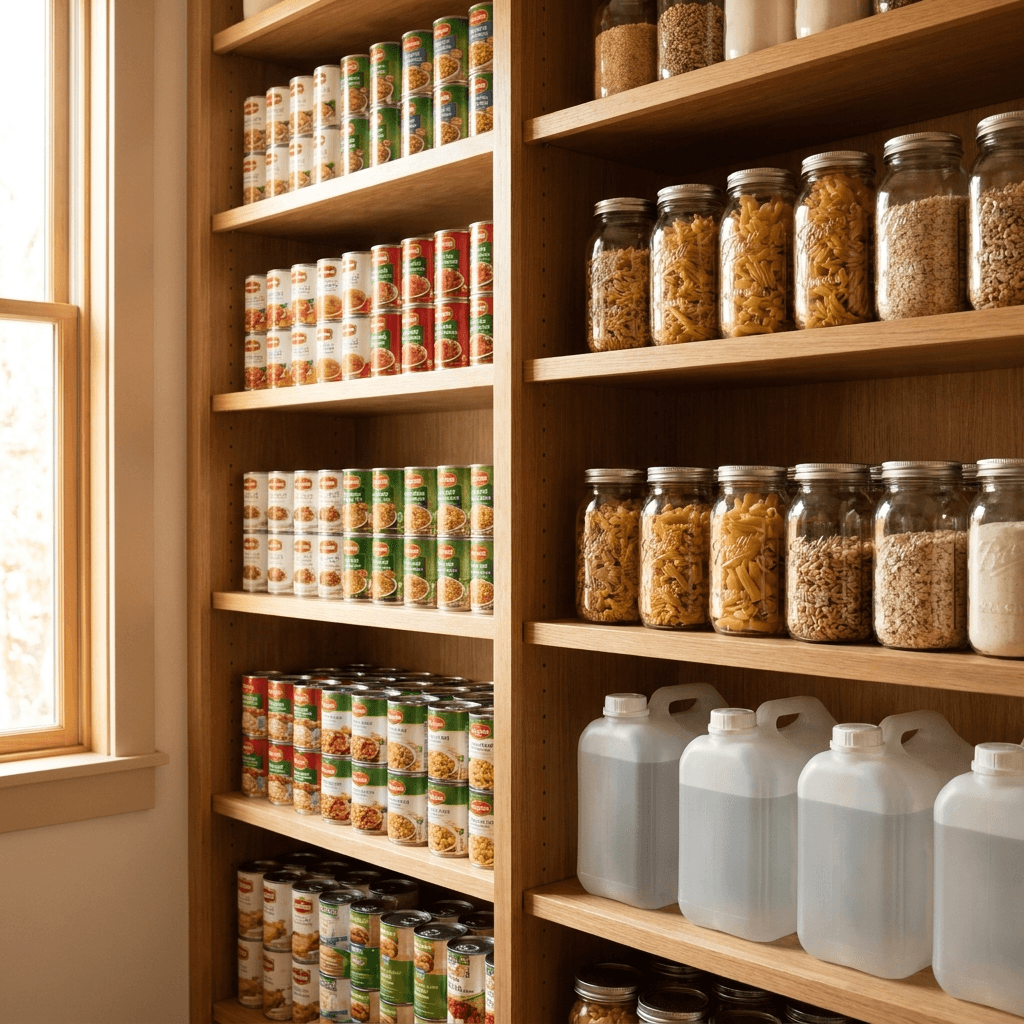
What pantry staples do you always need so quick kids' recipes actually work?
Three base categories are enough: fridge proteins (eggs, cheese), shelf-stable classics (pasta, canned tomatoes), and frozen veg (peas, corn, spinach). These six pantry items make a complete weeknight dinner in under 20 minutes possible 80% of the time without a shopping trip. Your pantry isn't a nice-to-have. It's the actual time saver. Check it once a month, stay organized, cook spontaneously without overthinking.
Germany's Federal Centre for Nutrition (BZfE) explicitly recommends canned vegetables as a full substitute for fresh veg, especially heat-resistant nutrients like lycopene in tomatoes. No quality compromise, just a practical tool.
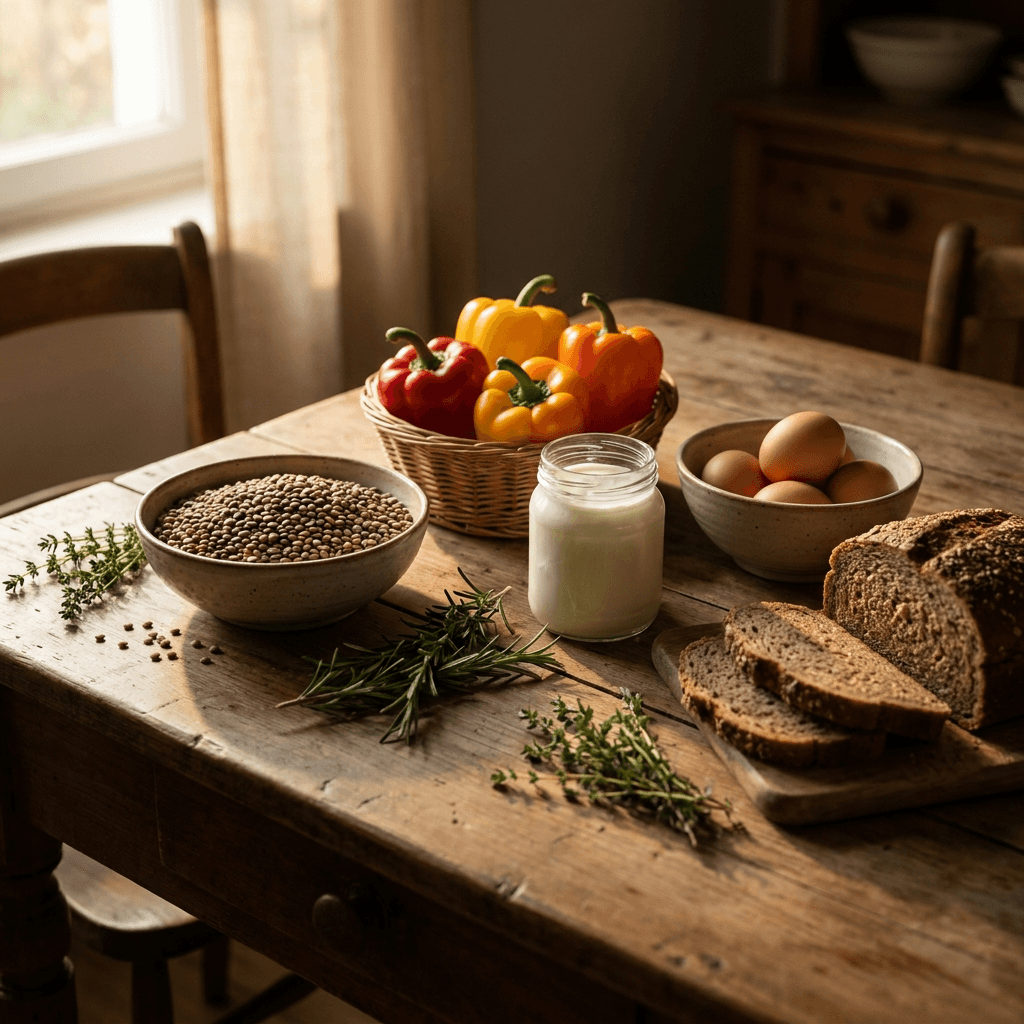
Fridge basics for quick kids' nights
Item | Why it's essential | Recipe use |
|---|---|---|
Eggs (6-pack) | Protein, quick to cook, kids can crack them | Scrambled eggs, wraps, fried rice |
Cheese (grated or block) | Kids love grating it, melts great | Pizza toast, tortellini, quesadillas |
Cream cheese | Sauce without cooking, mild flavor | Pasta sauce, dip, spread |
Refrigerated tortellini | 5 min. cook time, minimal prep | With butter and basil, done |
Tortillas / toast bread | Base for everything, no baking needed | Wraps, pizza toast, quesadillas |
Freezer as the unsung hero of mid-week
Item | Benefit | When to use |
|---|---|---|
Frozen peas | 3 min. in hot water, no chopping | Fried rice, pizza topping, soup |
Frozen corn | Kids love the taste, ready instantly | Quesadillas, wraps, pasta dishes |
Frozen spinach | Portionable, no wilting problem | Cream cheese pasta, omelet |
Frozen broccoli | Nutrient-rich, quick to bite-soft | Scrambled egg fried rice, stir-fry |
Pre-cooked rice (leftover) | Base for fried rice in 10 min. | Scrambled egg fried rice |
Which 8 quick kids' recipes under 20 minutes actually work?
From FamFood's 50 most-saved recipes, these eight rank high because they stay under 20 minutes and kids actively cook them. No recipe needs exotic ingredients. What we observe: families with a set of 5-6 go-to recipes get through the week faster than those constantly trying new things. Routine beats variety when it comes to speed.
Recipe | Time | Kid's hands-on moment |
|---|---|---|
Scrambled egg wraps with peppers and cheese | 10 min. | Crack eggs, sprinkle cheese |
Tomato tortellini with basil butter | 15 min. | Grate cheese, pluck basil |
Flash pancakes with applesauce and cinnamon | 18 min. | Stir batter, sprinkle cinnamon |
Mini pizzas on toast with frozen veg | 12 min. | Top it themselves |
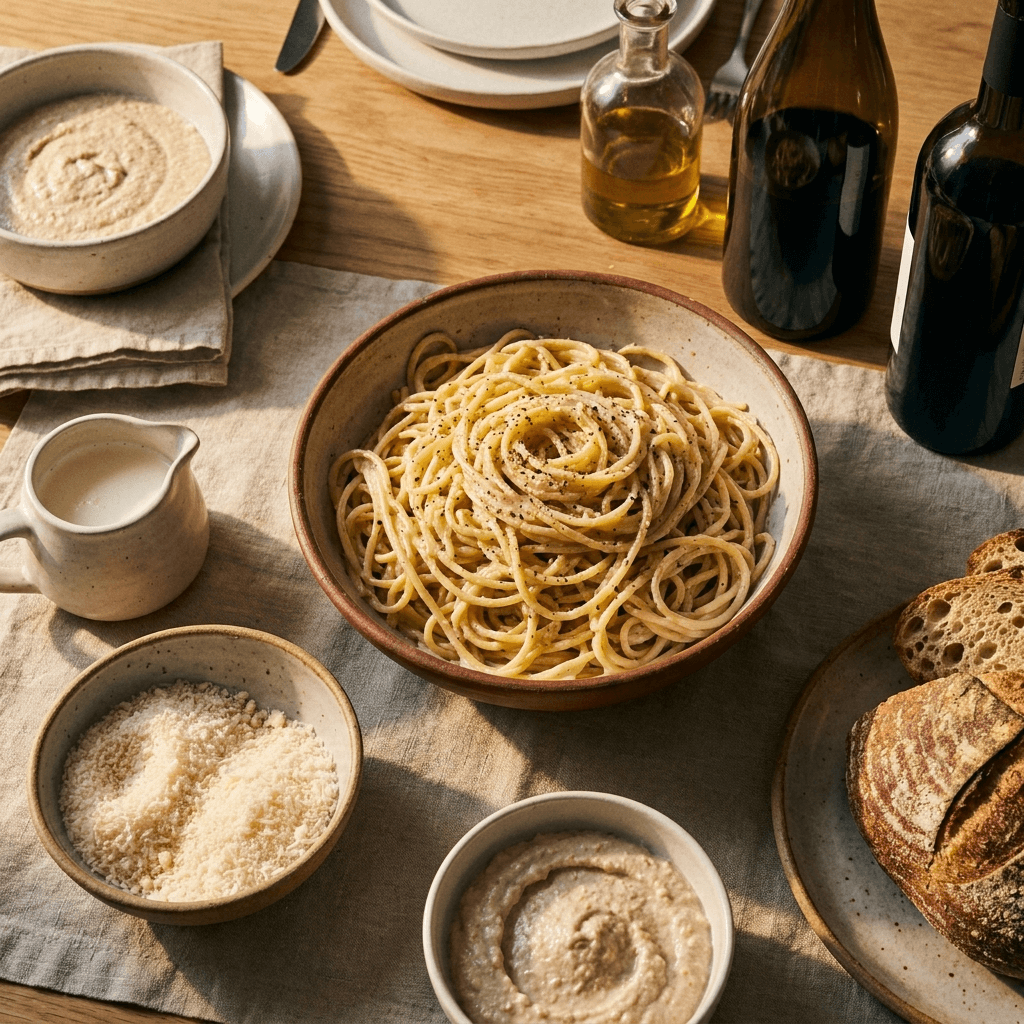
Pasta with cream cheese-cucumber sauce | 14 min. | Slice cucumber with kid knife |
Scrambled egg fried rice from leftover rice | 15 min. | Season and stir |
Avocado toast with egg and cherry tomatoes | 12 min. | Halve the tomatoes |
Quesadillas with corn and cheese | 10 min. | Fill and fold themselves |
Recipes for kids 5+: Hands-on without risk
Under 6, stick to tasks without knife use and no direct stovetop contact. Stirring, sprinkling, filling, halving with a kid knife—these feel like real participation with zero risk.
Quesadillas and scrambled egg wraps are especially good. Your child fills the tortilla themselves, you handle the pan. Done in 10 minutes, and your kid cooked.
Recipes for kids 9+: First stove time
From age 9, supervised stove time is realistic. Scrambled egg fried rice is ideal here: explain the steps once beforehand, then your kid does the middle part. Stirring in the hot pan, seasoning to taste. That builds real pride and speeds up routine over time.
How do you involve kids without it taking longer?
The trick isn't giving kids complex tasks, it's assigning them a clear job before you start. Pre-assigning tasks instead of improvising saves 5-7 minutes of chaos on average and keeps kids focused much longer. The briefing takes 60 seconds. Explain once what needs doing, then you work at the stove and your kid has their station next to you. No crowding, no waiting.
The biggest mistake: parents explaining while cooking. Then both of you stand in the same spot, wait on each other, and chaos starts. The parallel principle is the fix.
Age group | Realistic tasks |
|---|---|
4-6 years | Stirring, measuring ingredients (with help), sprinkling cheese, topping pizza |
7-9 years | Cracking eggs, slicing with kid knife, halving tomatoes, measuring |
10-12 years | Boiling pasta (supervised), making sauce, mixing pancake batter |
13+ years | Making simple meals mostly solo, e.g. scrambled eggs, wraps, pasta |
The parallel principle works like this: You work at the stove, your child has their station beside you. Stirring batter, prepping toppings, sorting ingredients into bowls. No crowding, no waiting. Saves time and builds routine.
What if your child rejects the finished meal?
Kids who helped cook eat the dish up to three times more often than when it's simply placed in front of them. A University of Copenhagen study (2012) with over 800 schoolchildren shows it. Cooking together is the single most effective anti-picky-eating strategy ever, because it costs no extra time and integrates directly into cooking.
Neuropsychologically it makes sense: what you made yourself, you judge more kindly. That's called the IKEA effect, and it applies to scrambled eggs and quesadillas too.
Still doesn't always work. New textures, unfamiliar colors, or wrong hunger-timing can make your child push the plate away. What helps: no drama, no negotiating. A small backup portion without discussion, like bread with cheese. Then move on.
According to Germany's 2024 Food Report, 41% of German parents say picky eating is a regular table issue. That's not failure, that's the baseline. Once you accept it, you stop blaming yourself. And those are exactly the nights your 20-minute recipe rotation earns its keep.
How do you plan quick kids' recipes for the whole week?
Plan three dinners a week instead of all five and you'll cut mental load noticeably without feeling boxed in. A mini meal plan with two flex slots covers weekday life and leaves room for leftover cooking on Thursday. The 3+2 principle: three set dinners, two flexible slots for spontaneous meals or extras. Tuesday and Thursday are especially tight when practice schedules squeeze time. Exactly those nights call for the simplest 10-minute recipes.
A recipe app actually speeds up planning: no paper, no screenshots, no double shopping. Once your favorites are saved, you plan in three minutes instead of twenty. More on meal planning in Meal Planning for Families: Stress-Free 7-Day Planning.
What are the 5 biggest mistakes with quick kids' recipes?
The biggest mistake isn't bad cooking, it's wrong expectations: parents underestimate how much prep is needed to truly be fast. If your ingredients aren't within reach or kid tasks aren't pre-assigned, you lose 10 minutes right there. The recipe isn't the problem, missing prep is.
Mistake 1: Picking recipes with zero hands-on moments. If a recipe needs only knife work or complex technique, it cuts kids out. Then you cook alone and the evening doesn't get shorter.
Mistake 2: Taking internet time estimates at face value. Those were measured without kids. A realistic 5-8 minute buffer for the kid factor always belongs in. Ignoring it just frustrates you.
Mistake 3: Trying brand-new recipes every week. Sounds varied but costs energy. Three to four go-to recipes everyone knows and likes get done faster than a new recipe with unknown steps.
Mistake 4: Not giving kids a fixed station. Without a clear task, kids either get in the way or lose interest. Give them their own station with one concrete job and they stay busy and the flow stays calm.
Mistake 5: Picking long recipes on low-energy nights. On nights when energy's scarce, reach for your shortest recipe, not your most varied one. Quesadillas or scrambled egg wraps exist for these evenings.
Common questions about quick kids' recipes: What we hear most
What age can kids really help with dinner?
From age 4, kids can take on meaningful kitchen tasks: putting ingredients in bowls, sprinkling cheese, stirring batter. From 7, kid-knife cutting and basic measuring join in. Real stovetop experience under supervision begins realistically at 9-10. The University of Copenhagen studied over 800 schoolchildren (2012) and found early kitchen involvement permanently raises willingness to try new foods.
Which recipes work for kids who won't eat vegetable chunks?
Recipes with finely grated or invisibly worked-in veg work well: cream cheese pasta with puréed zucchini, tomato sauce with blended carrot purée, or pancakes with spinach in the batter. The trick is not to start a discussion. Just work it in.
How long does a realistic weeknight kids' dinner actually take?
With prep and kid hands-on moments, realistic time runs 18-25 minutes, not the 10-15 that recipe sites claim. The gap comes from explaining, redirecting, and regrouping. Budget for it and stay calm.
Can I freeze quick kids' recipes and reheat them?
Pancakes, wraps, and quesadillas freeze well and reheat in 3-4 minutes in a pan or toaster. Cream cheese sauces lose some texture when frozen but still taste good. Scrambled egg fried rice keeps in the fridge up to two days and reheats quick in a pan.
What do I cook when I truly have zero motivation and the kids are hungry?
That's exactly what a mini emergency set is for: egg scramble on toast (8 minutes), cheese-and-corn quesadillas (10 minutes), or buttered pasta with grated cheese (12 minutes). No guilt, no fuss. That's not defeat, that's pragmatism.
About FamFood
FamFood is the recipe app for families who know real kitchen life: little time, hungry kids, and the eternal "What are we eating today?" We collect what works and make it easy to find. No glossy cooking, no perfection. Just real food for real evenings.
It's 5:45 p.m. The kids are hanging off the fridge, you have zero ideas, and dinner needs to be on the table in under 20 minutes. Every parent knows this scenario. No Pinterest feed full of elaborate bento boxes helps here.
This post doesn't show you a long recipe list. It shows you a system: How to get a real dinner on the table in under 20 minutes, with your kids involved instead of in the way.
Key Takeaways
A kid-friendly quick recipe needs max 6 ingredients and one hands-on moment for kids 5+.
If you keep 10 pantry staples stocked, you can make weeknight dinner 80% of the time without shopping.
Kids who cooked are 3x more likely to eat the dish they helped make (University of Copenhagen, 2012).
The 3+2 planning principle cuts mental load noticeably without killing spontaneity.
What actually makes a recipe kid-friendly and quick?
A recipe is kid-friendly when it has max 6 ingredients, no wait-times over 5 minutes, and at least one step a 5-year-old can do themselves. Quick means: from empty table to full plate in under 20 minutes. Not according to the recipe site, but in real life with kids in the room. Standard recipe websites measure cooking time without kids as a variable. A recipe that takes 12 minutes solo takes realistically 18 minutes with a 7-year-old present. That's not bad news, that's planning baseline.
Two things decide whether a recipe is truly fast or just looks fast:
Ingredient count vs. prep steps. Five ingredients with seven steps are slower than seven ingredients with three steps. Count the handgrips, not the products.
Active cooking time vs. total time. Pasta cooks for 10 minutes on its own. That doesn't count toward active time. If your kid stirs the sauce during that passive phase, you've worked in parallel and saved real minutes.
Kids lose interest in the first two minutes if they have nothing to do. Give them a task immediately and you'll keep the kitchen calmer and dinner finished faster.
What pantry staples do you always need so quick kids' recipes actually work?
Three base categories are enough: fridge proteins (eggs, cheese), shelf-stable classics (pasta, canned tomatoes), and frozen veg (peas, corn, spinach). These six pantry items make a complete weeknight dinner in under 20 minutes possible 80% of the time without a shopping trip. Your pantry isn't a nice-to-have. It's the actual time saver. Check it once a month, stay organized, cook spontaneously without overthinking.
Germany's Federal Centre for Nutrition (BZfE) explicitly recommends canned vegetables as a full substitute for fresh veg, especially heat-resistant nutrients like lycopene in tomatoes. No quality compromise, just a practical tool.
Fridge basics for quick kids' nights
Item | Why it's essential | Recipe use |
|---|---|---|
Eggs (6-pack) | Protein, quick to cook, kids can crack them | Scrambled eggs, wraps, fried rice |
Cheese (grated or block) | Kids love grating it, melts great | Pizza toast, tortellini, quesadillas |
Cream cheese | Sauce without cooking, mild flavor | Pasta sauce, dip, spread |
Refrigerated tortellini | 5 min. cook time, minimal prep | With butter and basil, done |
Tortillas / toast bread | Base for everything, no baking needed | Wraps, pizza toast, quesadillas |
Freezer as the unsung hero of mid-week
Item | Benefit | When to use |
|---|---|---|
Frozen peas | 3 min. in hot water, no chopping | Fried rice, pizza topping, soup |
Frozen corn | Kids love the taste, ready instantly | Quesadillas, wraps, pasta dishes |
Frozen spinach | Portionable, no wilting problem | Cream cheese pasta, omelet |
Frozen broccoli | Nutrient-rich, quick to bite-soft | Scrambled egg fried rice, stir-fry |
Pre-cooked rice (leftover) | Base for fried rice in 10 min. | Scrambled egg fried rice |
Which 8 quick kids' recipes under 20 minutes actually work?
From FamFood's 50 most-saved recipes, these eight rank high because they stay under 20 minutes and kids actively cook them. No recipe needs exotic ingredients. What we observe: families with a set of 5-6 go-to recipes get through the week faster than those constantly trying new things. Routine beats variety when it comes to speed.
Recipe | Time | Kid's hands-on moment |
|---|---|---|
Scrambled egg wraps with peppers and cheese | 10 min. | Crack eggs, sprinkle cheese |
Tomato tortellini with basil butter | 15 min. | Grate cheese, pluck basil |
Flash pancakes with applesauce and cinnamon | 18 min. | Stir batter, sprinkle cinnamon |
Mini pizzas on toast with frozen veg | 12 min. | Top it themselves |
Pasta with cream cheese-cucumber sauce | 14 min. | Slice cucumber with kid knife |
Scrambled egg fried rice from leftover rice | 15 min. | Season and stir |
Avocado toast with egg and cherry tomatoes | 12 min. | Halve the tomatoes |
Quesadillas with corn and cheese | 10 min. | Fill and fold themselves |
Recipes for kids 5+: Hands-on without risk
Under 6, stick to tasks without knife use and no direct stovetop contact. Stirring, sprinkling, filling, halving with a kid knife—these feel like real participation with zero risk.
Quesadillas and scrambled egg wraps are especially good. Your child fills the tortilla themselves, you handle the pan. Done in 10 minutes, and your kid cooked.
Recipes for kids 9+: First stove time
From age 9, supervised stove time is realistic. Scrambled egg fried rice is ideal here: explain the steps once beforehand, then your kid does the middle part. Stirring in the hot pan, seasoning to taste. That builds real pride and speeds up routine over time.
How do you involve kids without it taking longer?
The trick isn't giving kids complex tasks, it's assigning them a clear job before you start. Pre-assigning tasks instead of improvising saves 5-7 minutes of chaos on average and keeps kids focused much longer. The briefing takes 60 seconds. Explain once what needs doing, then you work at the stove and your kid has their station next to you. No crowding, no waiting.
The biggest mistake: parents explaining while cooking. Then both of you stand in the same spot, wait on each other, and chaos starts. The parallel principle is the fix.
Age group | Realistic tasks |
|---|---|
4-6 years | Stirring, measuring ingredients (with help), sprinkling cheese, topping pizza |
7-9 years | Cracking eggs, slicing with kid knife, halving tomatoes, measuring |
10-12 years | Boiling pasta (supervised), making sauce, mixing pancake batter |
13+ years | Making simple meals mostly solo, e.g. scrambled eggs, wraps, pasta |
The parallel principle works like this: You work at the stove, your child has their station beside you. Stirring batter, prepping toppings, sorting ingredients into bowls. No crowding, no waiting. Saves time and builds routine.
What if your child rejects the finished meal?
Kids who helped cook eat the dish up to three times more often than when it's simply placed in front of them. A University of Copenhagen study (2012) with over 800 schoolchildren shows it. Cooking together is the single most effective anti-picky-eating strategy ever, because it costs no extra time and integrates directly into cooking.
Neuropsychologically it makes sense: what you made yourself, you judge more kindly. That's called the IKEA effect, and it applies to scrambled eggs and quesadillas too.
Still doesn't always work. New textures, unfamiliar colors, or wrong hunger-timing can make your child push the plate away. What helps: no drama, no negotiating. A small backup portion without discussion, like bread with cheese. Then move on.
According to Germany's 2024 Food Report, 41% of German parents say picky eating is a regular table issue. That's not failure, that's the baseline. Once you accept it, you stop blaming yourself. And those are exactly the nights your 20-minute recipe rotation earns its keep.
How do you plan quick kids' recipes for the whole week?
Plan three dinners a week instead of all five and you'll cut mental load noticeably without feeling boxed in. A mini meal plan with two flex slots covers weekday life and leaves room for leftover cooking on Thursday. The 3+2 principle: three set dinners, two flexible slots for spontaneous meals or extras. Tuesday and Thursday are especially tight when practice schedules squeeze time. Exactly those nights call for the simplest 10-minute recipes.
A recipe app actually speeds up planning: no paper, no screenshots, no double shopping. Once your favorites are saved, you plan in three minutes instead of twenty. More on meal planning in Meal Planning for Families: Stress-Free 7-Day Planning.
What are the 5 biggest mistakes with quick kids' recipes?
The biggest mistake isn't bad cooking, it's wrong expectations: parents underestimate how much prep is needed to truly be fast. If your ingredients aren't within reach or kid tasks aren't pre-assigned, you lose 10 minutes right there. The recipe isn't the problem, missing prep is.
Mistake 1: Picking recipes with zero hands-on moments. If a recipe needs only knife work or complex technique, it cuts kids out. Then you cook alone and the evening doesn't get shorter.
Mistake 2: Taking internet time estimates at face value. Those were measured without kids. A realistic 5-8 minute buffer for the kid factor always belongs in. Ignoring it just frustrates you.
Mistake 3: Trying brand-new recipes every week. Sounds varied but costs energy. Three to four go-to recipes everyone knows and likes get done faster than a new recipe with unknown steps.
Mistake 4: Not giving kids a fixed station. Without a clear task, kids either get in the way or lose interest. Give them their own station with one concrete job and they stay busy and the flow stays calm.
Mistake 5: Picking long recipes on low-energy nights. On nights when energy's scarce, reach for your shortest recipe, not your most varied one. Quesadillas or scrambled egg wraps exist for these evenings.
Common questions about quick kids' recipes: What we hear most
What age can kids really help with dinner?
From age 4, kids can take on meaningful kitchen tasks: putting ingredients in bowls, sprinkling cheese, stirring batter. From 7, kid-knife cutting and basic measuring join in. Real stovetop experience under supervision begins realistically at 9-10. The University of Copenhagen studied over 800 schoolchildren (2012) and found early kitchen involvement permanently raises willingness to try new foods.
Which recipes work for kids who won't eat vegetable chunks?
Recipes with finely grated or invisibly worked-in veg work well: cream cheese pasta with puréed zucchini, tomato sauce with blended carrot purée, or pancakes with spinach in the batter. The trick is not to start a discussion. Just work it in.
How long does a realistic weeknight kids' dinner actually take?
With prep and kid hands-on moments, realistic time runs 18-25 minutes, not the 10-15 that recipe sites claim. The gap comes from explaining, redirecting, and regrouping. Budget for it and stay calm.
Can I freeze quick kids' recipes and reheat them?
Pancakes, wraps, and quesadillas freeze well and reheat in 3-4 minutes in a pan or toaster. Cream cheese sauces lose some texture when frozen but still taste good. Scrambled egg fried rice keeps in the fridge up to two days and reheats quick in a pan.
What do I cook when I truly have zero motivation and the kids are hungry?
That's exactly what a mini emergency set is for: egg scramble on toast (8 minutes), cheese-and-corn quesadillas (10 minutes), or buttered pasta with grated cheese (12 minutes). No guilt, no fuss. That's not defeat, that's pragmatism.
About FamFood
FamFood is the recipe app for families who know real kitchen life: little time, hungry kids, and the eternal "What are we eating today?" We collect what works and make it easy to find. No glossy cooking, no perfection. Just real food for real evenings.