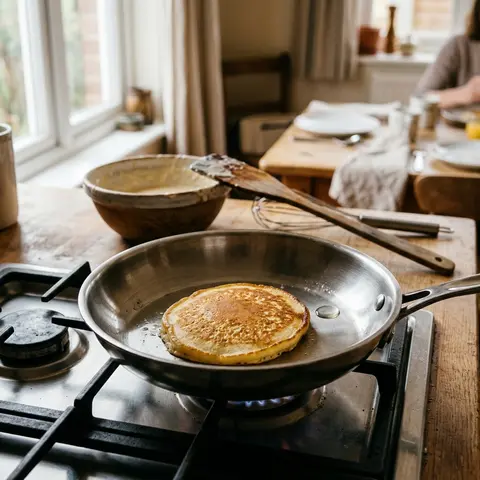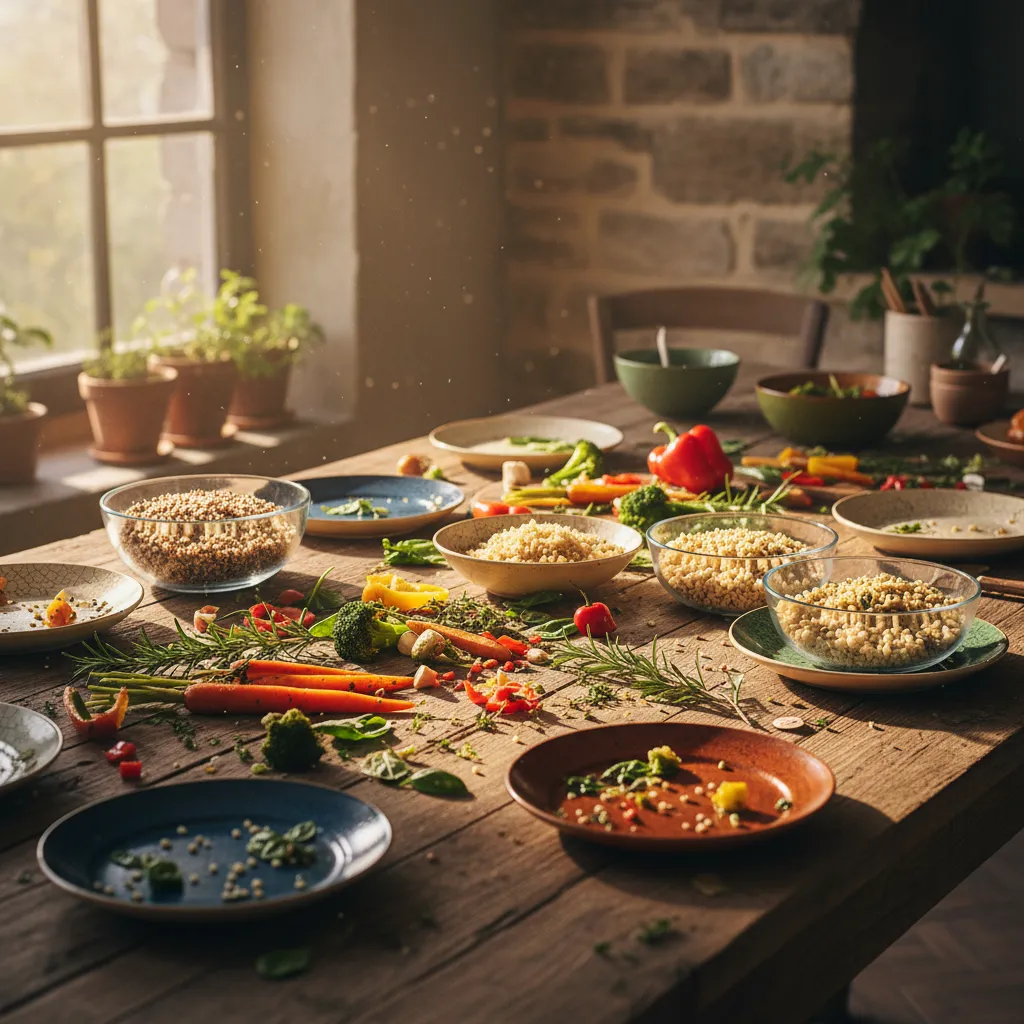
Half a head of cauliflower. Three slices of day-old bread. A scoop of leftover rice. Throwing it all out feels wrong. But what on earth do you cook with it?
According to a study by Germany's Federal Ministry of Food and Agriculture, around 78% of all households ask themselves exactly that question at least once a week. Food waste costs the average family over €900 a year. That money is literally sitting in the trash.
This isn't about becoming a perfect cook. It's about working with what you have.
Why Using Up Leftovers Is More Than Being Frugal
Getting creative with leftovers isn't a sign of penny-pinching. It's kitchen skill. The best cooks in the world — from Michelin-starred chefs to grandmothers who never wasted a thing — have always worked by the "use it up" principle.
For families, it means even more. It shows kids where food actually comes from. It turns a Wednesday evening into a small experiment. And it saves real money without sacrificing taste.
There's another bonus: cooking with leftovers is faster. The ingredients are already prepped. Half the work is done.
The 9 Most Creative Ways to Use Up Leftovers
No vague tips here. These are concrete transformations that work in real life.
1. Leftover soup — the most honest meal of the week Old vegetables, potatoes, legumes, a bit of meat: everything goes in one pot. Add stock. Simmer for 30 minutes. A stick blender turns it into a silky cream soup that no one will recognize as "leftover night."
2. Frittata, not omelette A frittata is what Italians make with leftover tender vegetables, cooked potatoes, and old cheese. Toss everything into an oven-safe pan, pour beaten eggs on top, bake at 350°F (180°C) until set. Done in 20 minutes.
3. Fried rice — better than fresh Day-old cooked rice is the base for the world's best rice dish. Fresh rice sticks together. Old rice fries up crispy. Add an egg, soy sauce, and whatever vegetables are left, and you have a proper main course.
4. Crispy bread or bruschetta Stale bread already smells good — it just needs to be woken up. Brush with olive oil, pop it in the oven for a few minutes. Then pile on whatever's left: blistered tomatoes, sliced meats, leftover pesto.
5. Smoothie from overripe fruit Soft fruit that nobody wants to eat isn't waste — it's the sweetest ingredient in the kitchen. Blend with yogurt or plant-based milk. Instant healthy breakfast that kids will actually ask for.
6. Veggie chips from peelings Wash and dry potato, carrot, or parsnip peelings, toss with oil and salt. Roast at 400°F (200°C) for 15 minutes. Crispy chips — from what would otherwise go in the compost.
7. Pasta gratin Layer leftover pasta with a simple béchamel or tomato sauce in a baking dish. Top with cheese. Bake at high heat for 25 minutes. Better than it was on day one.
8. Leftover bowl — the trend dish that was always there Grains or rice as a base, sautéed vegetable scraps, leftover protein on top (egg, chicken, tofu, beans), a quick sauce made from tahini or soy sauce. A bowl takes five minutes to assemble.
9. Sugo from tired tomatoes Tomatoes starting to shrivel make the best sauce. Simmer them down with garlic, olive oil, and basil. Pour into a jar — it keeps in the fridge for a week.
The System Behind It: How Families Who Nail This Stay Organized
Creativity alone isn't enough. Using leftovers consistently takes a system.
Rule 1: Make them visible. Leftovers belong on the front shelf of the fridge. What you can't see, you throw away. What's right in front of you gets eaten.
Rule 2: Categorize. A simple mental framework helps: proteins, carbohydrates, vegetables. Know what you have, and you can combine things in seconds.
Rule 3: Find recipes for your leftovers, not leftovers for your recipes. The most common mistake: pick a recipe first, then go shopping. Flip it — look at what's there first, then figure out what to make.
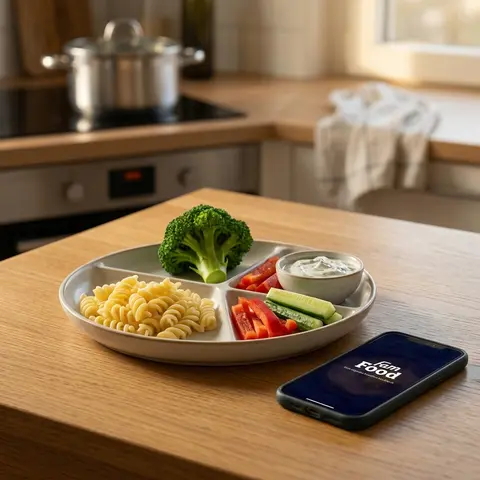
FamFood is built exactly for this. Instead of juggling dozens of open browser tabs with recipe ideas, you can save your favorite leftover recipes and pull them up instantly — for the next time the fridge is half-empty and "what do I even cook tonight?" is hanging in the air.
Using Leftovers With Kids — How to Make It an Adventure
Kids who help cook eat more. That's not theory. That's the experience of millions of kitchens.
Leftover cooking is especially good for this. There are no mistakes. There's no wrong result. The half head of cauliflower becomes a soup or a gratin — either way, it's a win.
Kids under 10 can:
- Tear or cut vegetables into pieces (with an age-appropriate knife)
- Crack eggs
- Stir bowls
- Choose their own toppings
The result isn't just a meal. It's a small win that connects kids to cooking.
Common Questions About Creative Leftover Cooking
How long do leftovers keep in the fridge?
Cooked food generally keeps for 2 to 3 days in the fridge. Rice is the exception: it should be eaten within 24 hours, as Bacillus cereus bacteria can multiply quickly at room temperature. When in doubt: if it smells off or looks questionable, throw it out.
Can you freeze leftovers?
Most cooked dishes freeze without any trouble. Exceptions include potatoes (they go watery), raw egg in dishes, and salads. Soups, stews, sauces, meat, and legumes all freeze beautifully.
What if the leftovers don't taste good together?
A strong base ties almost anything together: bold spices (cumin, paprika, curry), acid (lemon juice, vinegar), or umami (soy sauce, parmesan, tomato paste). One of those three components can rescue almost any leftover combination.
How do I revive leftovers that have dried out?
Dry meat comes back to life simmered in a broth or sauce. Dry bread can be soaked (panzanella salad) or toasted (croutons, breadcrumbs). Dried-out vegetables are still perfect for soups or smoothies.
Do I need special equipment for leftover cooking?
No. A pot, a pan, and a stick blender are enough. If you have an oven, you can make veggie chips and gratins too. No fancy gadgets required.
What a Family's Leftovers Say About Them
Families who use up their leftovers have a particular attitude toward food. Not waste, but appreciation. Not perfection, but pragmatism.
That sounds small. It isn't.
Kids who grow up watching yesterday's rice become today's full meal learn something about resources. About creativity. About the value of things that are already there.
That's a lesson no textbook teaches better than a kitchen on a Wednesday evening.
One Thing to Do Before Your Next Grocery Run
Open your fridge. See what's already there. Only then decide what you still need.
Having leftover recipes ready to go makes you faster and more consistent. FamFood is made for exactly that: recipes from the internet, from family, or from your own head — saved in one place and searchable by ingredient. Exactly what you need when you're standing in front of a half-full fridge and have five minutes to make a decision.
Using up leftovers isn't an art. It's a habit. And habits just need the right nudge.