Most families don't fail from lack of motivation. They fail at 5:30 on a Tuesday.
The hunger is real. The kids are loud. And grabbing a frozen pizza feels like the only sane option. But healthy family cooking doesn't need elaborate schedules or an organic-market budget. It needs a system. And a few honest tricks that work in real life — not just in cookbooks.
Why Healthy Family Cooking So Often Falls Apart
It's rarely about knowledge. Most parents know broccoli beats french fries. The problem is the gap between knowing and doing.
According to a survey on gutefrage.net, families struggle most with three things: not enough time, poor planning, and veto power from the kids at the dinner table. All three problems are solvable — but not through willpower. Through structure.
If you decide what's for dinner every night on the fly, you'll lose. Not because you're lazy. Because an exhausted brain always picks the easiest option. Healthy cooking has to become the easy option.
The Healthy Base Principle: Less Is More
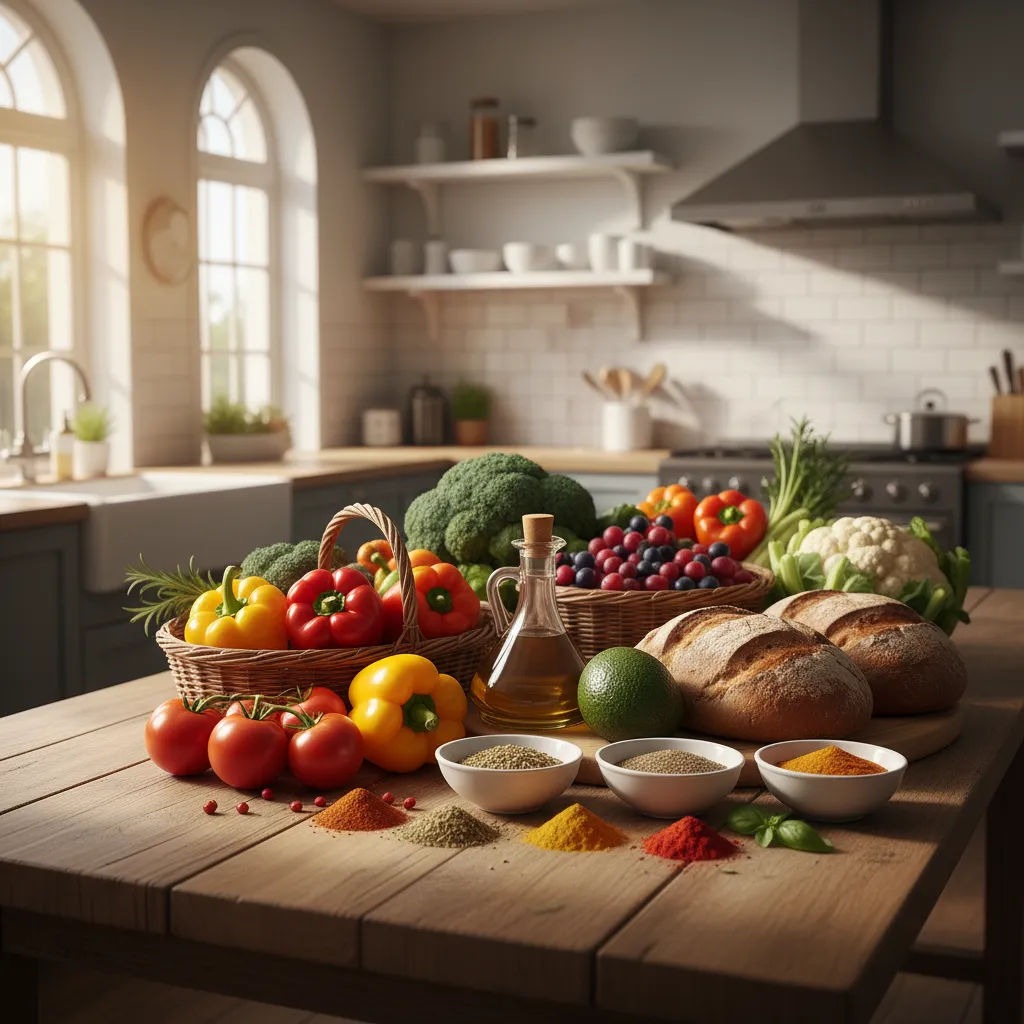
Forget recipes with twelve ingredients. Healthy family cooking works best with one simple framework: one protein, one vegetable, one carb.
Sounds basic. It is. And that's exactly what makes it doable.
- Protein: Chicken breast, lentils, eggs, legumes, tofu, salmon
- Vegetables: Whatever you have. Zucchini, carrots, bell pepper, spinach, broccoli
- Carbs: Whole-wheat pasta, brown rice, quinoa, potatoes
From that matrix, dozens of meals appear without much thought. Pasta with broccoli and chicken sauce. Lentil stew with carrots. Fried rice with egg and bell pepper. Healthy, fast, family-friendly.
The trick: always keep these base ingredients stocked. Then healthy cooking stops being a decision — it becomes the default.
Vegetables Kids Will Actually Eat
This is the heart of every family food argument. And the honest answer is: vegetables don't need to be forced. They need to be presented right.
Hiding vegetables works short-term but doesn't build awareness. Better approach: bring vegetables into familiar forms.
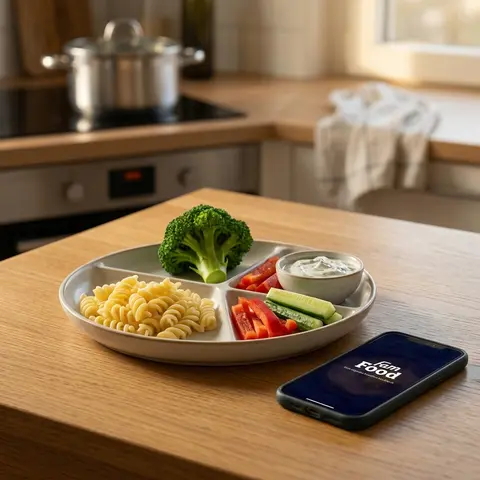
- Carrot and bell pepper sticks with hummus — kids reach for them on their own
- Spinach in a smoothie (with banana and apple) tastes like banana, not spinach
- Cauliflower as a sauce base — blended smooth with cheese, it's genuinely convincing
- Roasted vegetables with a little olive oil and salt — caramelized sweet instead of bitter
Texture is everything. Soft, mushy vegetables lose with kids. Crisp or crunchy wins. A 400°F oven is your best friend.
Also: kids eat what they helped make. Get them involved in washing, cutting (with a kid-safe knife), or tasting, and you'll have fewer battles at the table.
Meal Planning: The Real Game-Changer
No strategy brings more calm to family life than honest weekly meal planning. Not perfect planning. Just rough planning.
Five minutes on Sunday decides the next seven evenings.
Here's what a realistic plan looks like:
- Two firm family favorites — no stress, no thinking required
- Two new or healthier meals — variety without overwhelm
- One leftovers night — use up everything the week has left behind
- One "wildcard night" — if pizza happens, that's not failure
Writing the plan down makes you more likely to follow it. Building the shopping list from it means you buy with purpose and waste less. That saves money and stress.
FamFood lets you do exactly this digitally — collect recipes in one place, generate shopping lists from them, and organize your whole family kitchen in a shared space everyone in the household can use.
Healthy Cooking Doesn't Mean Expensive Cooking
The opposite is true. Cooking fresh and seasonal often costs less than relying on processed products.
A quick comparison: one serving of frozen pizza averages $2–3 per person. A homemade lentil curry with rice comes in under $1 per serving — and delivers far more fiber, less sodium, and no hidden fat.
Seasonal staples that cost little and deliver a lot:
- Cabbage (fall/winter) — fiber, vitamin C, filling
- Carrots — affordable year-round, versatile, a hit with kids
- Canned legumes — protein, no soaking, ready instantly
- Eggs — cheap, fast, packed with protein and nutrients
- Frozen vegetables — often more nutrient-dense than fresh (frozen right after harvest)
Frozen spinach or peas aren't a compromise. They're smart pantry strategy.
Batch Cooking: Cook Once, Eat Three Times
Spend two hours cooking on a free afternoon and you'll barely have to think about dinner all week. That's batch cooking — and it's the most efficient tool for healthy family eating.
You don't need to fully pre-cook everything. Small amounts of prep make a big difference:
- Cook base ingredients ahead: A big pot of brown rice, a tray of roasted sweet potatoes, a batch of oven-baked chicken
- Make sauces in bulk: Tomato sauce, lentil sauce, or pumpkin soup keep three to four days in the fridge
- Prep vegetables in advance: Wash, chop, store in containers — just grab and go in the evening
The result: on weeknights, you're not cooking full meals anymore. You're assembling them. That takes 15 minutes instead of 45.
FamFood helps you save your go-to batch cooking recipes in one place and turn them straight into a shopping list — so your free afternoon isn't spent searching and second-guessing.
FAQ: Healthy Cooking With Your Family
Where do I start if my family has barely cooked fresh food before?
Start small. Don't overhaul everything at once. Swapping one meal a week is enough to begin. Pick dishes close to what your family already likes — keep the pasta, but make the sauce fresh and pack in more vegetables.
My child won't eat vegetables. What now?
Try variations before giving up. The same vegetable raw, cooked, roasted, and puréed tastes completely different. Also: no child eats everything — but almost every child eats something green. Start there and make it their favorite.
How healthy do meals really need to be?
The 80/20 rule is more realistic than perfection. If 80 percent of meals are balanced and fresh, the other 20 percent can be exceptions. Friday night pizza doesn't undo a good week.
Can I cook healthy if I have no time?
Yes. The fastest healthy meals take 15–20 minutes: scrambled eggs with vegetables, whole-wheat pasta with pesto and cherry tomatoes, leftover lentil soup reheated. Healthy cooking doesn't need a big time window — it needs preparation.
At what age can kids help in the kitchen?
From age two or three with simple tasks like stirring or dropping ingredients into a pot. By five, they can cut with a child-safe knife. By eight, many can prepare whole dishes with supervision. The earlier the better — kids who cook eat differently.
The Bottom Line: Healthy Cooking Is a Habit, Not a Talent
Nobody is born a health-conscious cook. Families who pull it off don't have stronger willpower. They have better habits.
One simple framework. A rough weekly plan. A few staple ingredients always in the house. And the willingness to bring kids into the kitchen instead of keeping them out.
That's enough. Really.
If you want to keep recipes, meal plans, and shopping lists in one place, FamFood is built exactly for that — for families who want real life and healthy eating to actually fit together.