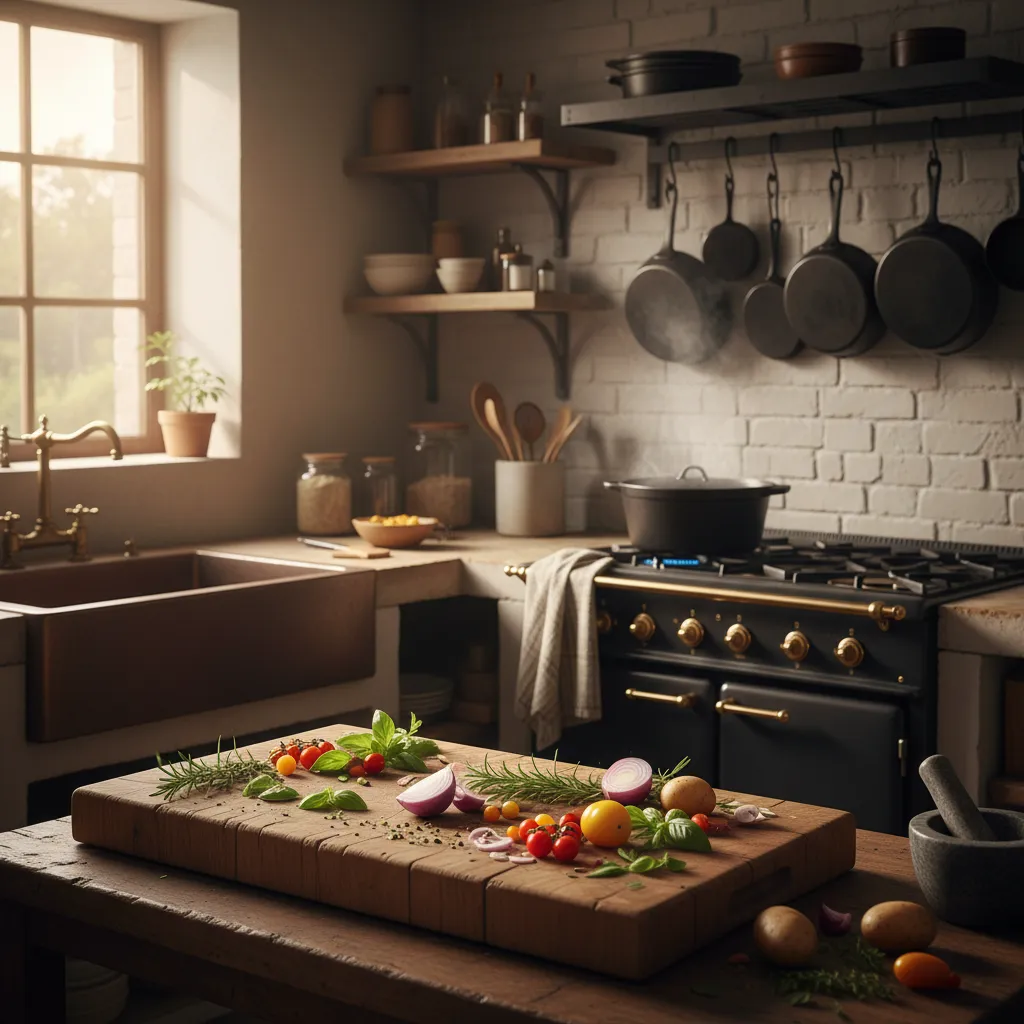
Your kitchen is costing you more time than it should. Not because you're doing it wrong — but because nobody showed you the right shortcuts. That changes now.
These 12 kitchen tips aren't theoretical advice lifted from a cookbook. They come from real family kitchens. Tested, refined, kept.
Why Small Tricks Make Such a Big Difference
A knife that won't cut costs you three minutes every time you use it. Three minutes per meal, seven days a week — that's nearly four hours a month, just from one blunt knife.
That's how inefficiency works in the kitchen: quietly, invisibly, cumulatively. But efficiency works exactly the same way. One good habit, learned once, pays off a hundred times over.
According to data from Gutefrage.net, a popular German Q&A platform, many home cooks say simple everyday kitchen organization tips are what they miss most — and that they'd rather learn them from other families than from glossy magazines.
We take that seriously.
1–3: Preparation Is Everything
1. Mise en place — at home, too. Professional chefs set out every ingredient before they touch a pan. That sounds obvious. It's actually a game-changer. You stop hunting for the garlic press mid-fry.
2. Cut onions without crying. Cut close to the root end last — that's where most of the volatile compounds that sting your eyes are concentrated. Or: put the onion in the fridge for 15 minutes before cutting. Cold slows evaporation.
3. Store herbs properly. Stand fresh herbs like parsley in a glass of water — just like flowers. In the fridge, they'll last roughly twice as long. Basil is the exception: keep it at room temperature, never in the fridge.
4–6: Cook With Less Effort
4. Boil pasta without constant stirring. Lay a wooden spoon across the top of the pot. It stops the water from boiling over. Sounds like a folk tale. It works — the spoon breaks the surface tension of the foam.
5. Peel garlic in seconds. Place a clove on the cutting board, press the flat side of your knife firmly on top, and lean into it. The skin slips right off. No fussing, no sticky fingers.
6. Use scraps systematically. Vegetable trimmings — carrot peels, celery leaves, leek tops — don't throw them away. Collect them in a freezer bag. When the bag is full, make vegetable stock. Costs nothing. Tastes like something.
7–9: Use Your Fridge and Pantry Smarter
7. First in, first out. What went in first comes out first. New groceries go to the back, older ones move to the front. This one habit can cut your food waste in half.
8. Wrap cheese in parchment paper. Not plastic wrap. Parchment lets cheese breathe while preventing it from drying out. It stays fresh roughly twice as long — creamy instead of hard and crumbly.
9. Freeze your herbs. Chop fresh herbs, pack them into an ice cube tray, top up with olive oil or water, and freeze. Drop a cube into the pan when you need it. Fresh flavor, zero waste.
10–12: Save Time Cleaning Up and Planning
10. Wipe the stove right after cooking. Not after dinner. Right after. Fresh splatters take ten seconds. Baked-on residue takes ten minutes and a bad mood.
11. Build a fixed weekly kitchen routine. Twenty minutes every Sunday: check your supplies, sketch out the week's meals, write the shopping list. Sounds like extra work. It's the opposite. You stop making that decision from scratch every single evening.
12. Keep recipes and shopping lists in one digital place. Paper scraps get lost. Screenshots disappear into your camera roll. Keeping your favorite recipes and their ingredients in one place saves real minutes — and real frustration — every week.
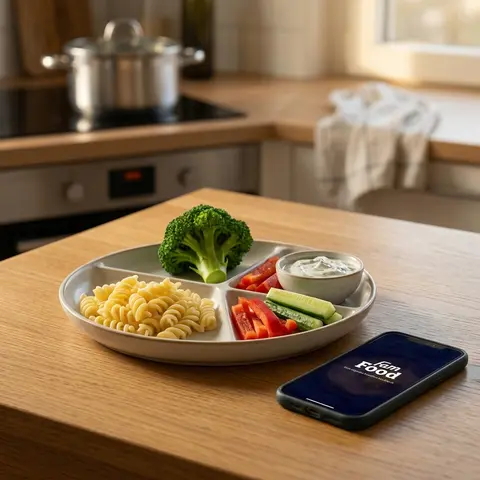
That's exactly what FamFood is for: the app that brings recipes, shopping lists, and family cooking under one roof.
The Underrated Superpower: Repetition
Most kitchen tips don't fail because they don't work. They fail because you try them once and forget about them.
The wooden spoon trick only helps if you do it every single time from now on. Mise en place doesn't transform your cooking until you've done it for two solid weeks. Habits need friction — until they don't anymore.
That's also why families who cook and plan together are calmer in the long run. Not because they're more skilled, but because they have fewer decisions to make on the fly. The structure carries them.
An app like FamFood is exactly that: structure that carries you. Save recipes, share a shopping list, keep your family favorites in view — without the chaos.
FAQ: Kitchen Tips for the Home
How do I keep my knives sharp longer?
Never put knives in the dishwasher. The heat and detergent dull the blade faster than any cutting ever will. Instead: hand wash, dry immediately, store in a knife block. Use a honing steel once a month — that's plenty for most home kitchens.
What actually helps with food waste?
First-in-first-out in the fridge, a consistent weekly meal plan, and freezing leftovers without exception. Know what you have, buy what you need, throw away less.
How do I save the most time while cooking?
Preparation. Always. Getting your ingredients ready before you turn on the stove makes you faster and cuts mistakes. Add simple routines for planning and shopping, and you're set.
How do I stop herbs from wilting so fast?
Stand soft herbs like parsley or chives in a glass of water in the fridge. Wrap hardy herbs like rosemary or thyme in a slightly damp kitchen towel. Keep basil at room temperature — it can't handle the cold.
Is weekly meal planning actually worth it?
Yes. Absolutely. When you decide what to cook three times a week on the spot, you end up ordering takeout or reaching for convenience food more often. Planning saves money, time, and the daily stress of staring blankly into the fridge. Twenty minutes of planning on the weekend replaces ten minutes of indecision every single evening.
Your Kitchen, Your System
There's no shortage of kitchen tips. But here's the best one: pick five things from this list that fit your life. Do them deliberately for one week. After that, they're automatic.
You don't need a perfect kitchen. You need one that works — for you and your family.
Recipes, shopping lists, and meal plans in one place? That's FamFood. Simple. No fluff. Just right.