Imagine biting into a tomato in August that has never seen a refrigerated shipping container. The juice runs down your hand. The flavor nearly knocks you over.
That's not luck. That's season.
Cooking seasonally isn't just a different league — it's a completely different game. Better flavor, less effort, lower cost. And meals where the family actually stays at the table because the food is just that good.
Why Seasonal Cooking Matters More Than Ever
Supermarkets mislead us. Not on purpose. But when strawberries appear in January and asparagus in October, they create a false picture of what food actually is.
The result: vegetables without flavor, fruit without aroma, meals without memory.
Studies and surveys show that many families no longer know which vegetables grow in which season — because the supermarket shelves look the same all year round. The connection to nature fades. And with it, the instinct for when something truly tastes its best.
Seasonal cooking is the answer. No ideology, no finger-wagging. Just one simple truth: what's ripe right now tastes the best.
What "Seasonal" Really Means — and What It Doesn't
Seasonal doesn't mean you're stuck eating potatoes and cabbage.
It means you know when a ingredient hits its peak — and you strike exactly then.
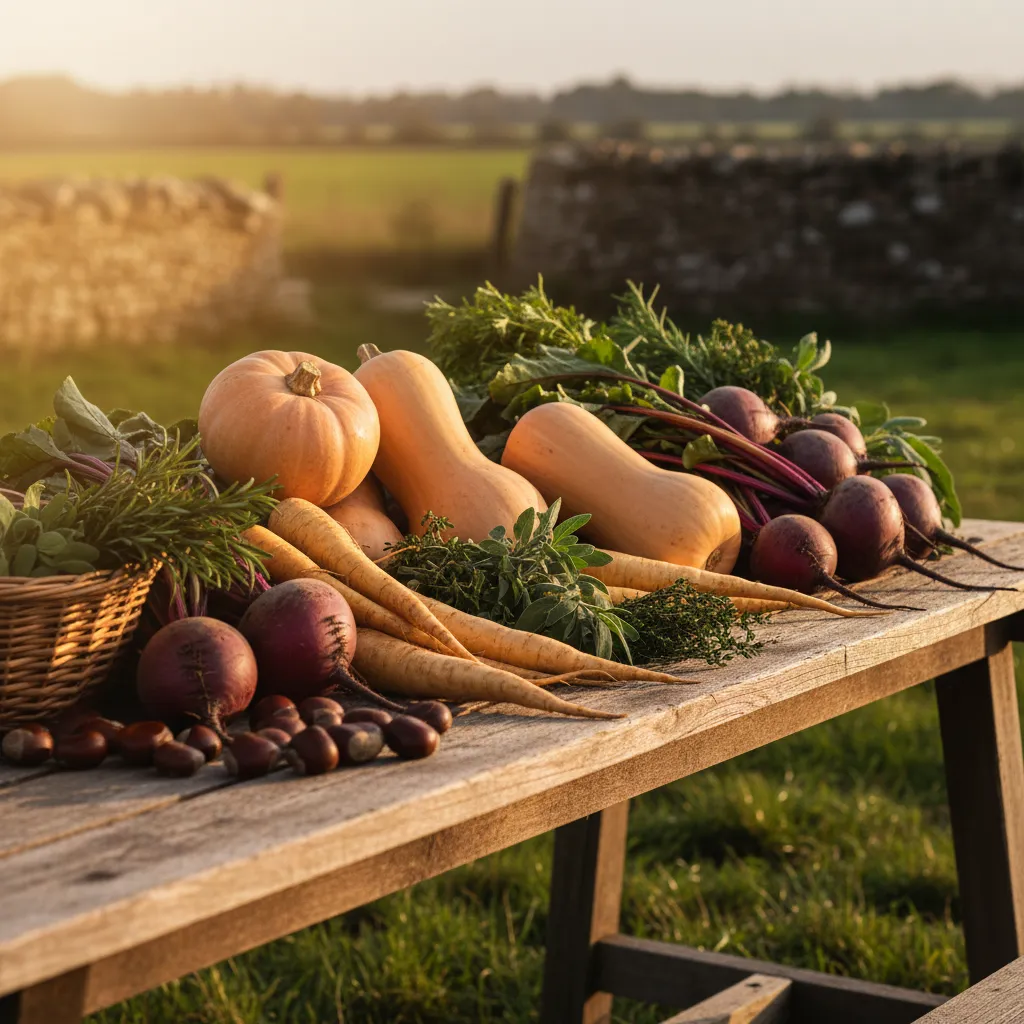
Spring: Wild garlic, rhubarb, radishes, asparagus, fresh peas. Summer: Tomatoes, zucchini, berries, cucumbers, peppers, corn. Autumn: Squash, mushrooms, plums, apples, root vegetables, chestnuts. Winter: Red cabbage, leeks, parsnips, pears, chicory, lamb's lettuce.
Every season has its own character. Spring tastes fresh and light. Summer is lush and colorful. Autumn brings depth and warmth. Winter calls for braises and comfort food.
Once you understand that, you don't need complicated recipes. The ingredients do the work.
Cooking Seasonally with Your Family: How to Start
Kids who won't eat. A partner who hates squash. Grandma who wants her classic dish. Sounds like conflict.
It doesn't have to be — if you go about it the right way.
First: Give kids a say. A child who gets to go to the farmers' market and pick out the kohlrabi will actually eat it. That's not theory — that's the lived experience of thousands of families.
Second: Start small. Don't overhaul your entire diet. Just make one meal a week intentionally seasonal. A squash soup in October. A rhubarb cake in April. A tomato sauce in August made with tomatoes from the market.
Third: Recipes that actually work. Not everyone is a home-cooking enthusiast. Seasonal cooking doesn't need stars on the door — it needs good produce and simple techniques. Roasting, braising, blanching. That's it.
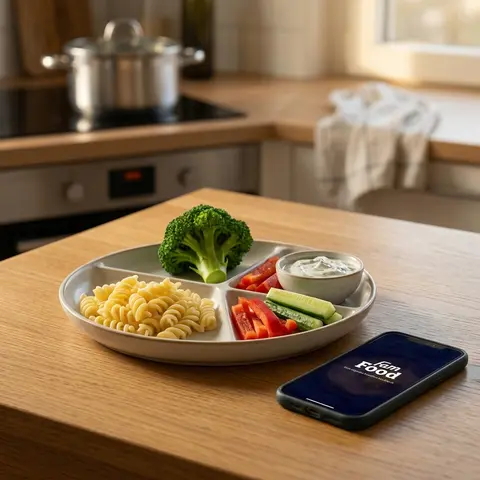
With FamFood you can organize recipes by season and ingredient — so come September, you're not searching. You already know exactly what to do with that squash on the windowsill.
The Taste Difference: Why Ripe Produce Changes Everything
The science is clear: fruit and vegetables harvested in their natural season contain more phytonutrients, more vitamins, and develop more complex flavors.
But you don't need a study. You need one good tomato.
Slice an August tomato from the farmers' market. Smell it. Make a simple sauce with nothing but garlic, olive oil, and salt. Then try the same with a January tomato shipped in from a greenhouse.
The difference isn't subtle. It's dramatic.
And that's the moment seasonal cooking becomes a habit. Not because you feel like you should. But because you want to get back to that flavor.
Saving Money Through Seasonal Cooking — The Underrated Side
A kilo of strawberries costs around $1.50 in June. In January it's three times that — for a product that tastes half as good.
Seasonal cooking is household strategy.
When something is in peak season, it's everywhere. Vendors need to move it. Prices drop. Quality rises.
Anyone who visits a farmers' market just before closing on a Saturday knows what I mean. Leftover produce gets practically given away. That's not budget cooking — that's smart cooking.
And seasonal produce doesn't need to travel far. Local and seasonal go hand in hand. Less transit, less cold chain, more freshness.
Seasonal Cooking All Year — 12 Months, 12 Ideas
You don't need a complicated plan. You need a compass.
Here's a rough map through the year:
- January: Braised vegetable stew with parsnips and salsify
- February: Chicory salad with walnuts and pear
- March: First wild herbs — wild garlic pesto, wild garlic soup
- April: Asparagus season begins — classic with butter and potatoes
- May: Rhubarb crumble, pea soup with mint
- June: Strawberry cake, spinach salad with radishes
- July: Zucchini frittata, chilled cucumber soup
- August: Tomatoes, pure and simple — bruschetta, Caprese, tomato sauce for the pantry
- September: Plum cake, first squash of the season
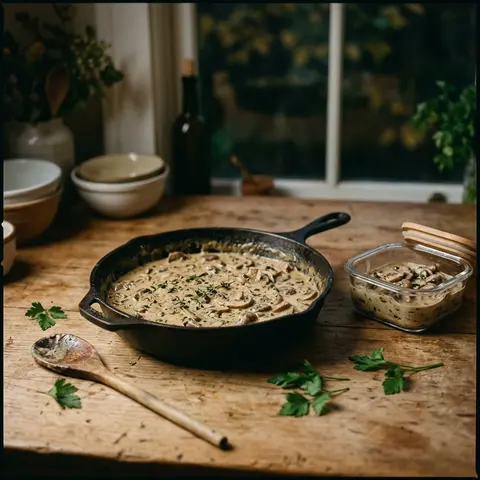
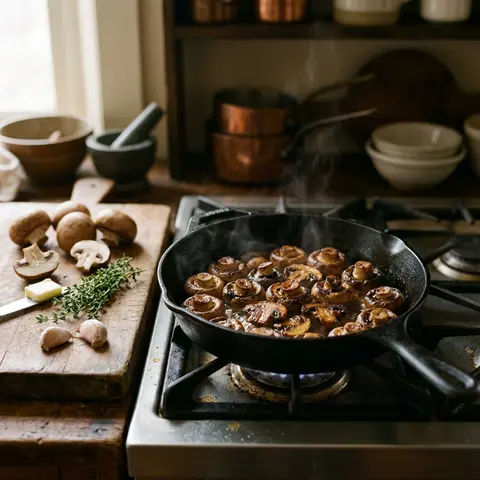
- October: Squash soup, mushroom risotto, chestnut purée
- November: Red cabbage with apples, kale and sausage stew
- December: Root vegetable rösti, orange and fennel salad
This list isn't a rulebook. It's an invitation.
Save your favorite recipes directly in FamFood, sorted by month — so you always have the right idea at the right time of year.
FAQ: Seasonal Cooking — Your Most Common Questions
What does seasonal cooking actually mean?
Seasonal cooking means using ingredients that are naturally ripening and being harvested in your region at this time of year. That means more flavor, more nutrients, and lower prices.
How do I find out what's in season right now?
The farmers' market is the most honest answer — whatever is cheap and plentiful there is in season. You can also find free seasonal calendars as posters or apps. And your senses help: if it smells incredible, it's in season.
Is seasonal cooking more expensive?
No — it's cheaper. Seasonal produce costs less because there's an abundance of it. Buying consistently in season saves real money compared to buying out-of-season produce year-round.
How do I explain seasonal cooking to my kids?
Don't explain it — show them. Take them to the market. Let them pick something, or even harvest it if you can. Cook together. Kids who experience the process naturally develop a sense of where food comes from and how seasons work.
Can I plan seasonal recipes in advance?
Absolutely. Use a seasonal calendar as your planning guide and prep recipes week by week. Digital tools make it easy to link recipes to ingredients and build shopping lists on the spot — saving you time and stress.
Conclusion: The Seasons Are the Best Cookbook
No cookbook in the world replaces what nature puts on your table fresh every single month.
Seasonal cooking isn't a trend. It's the oldest way there is to cook. Grandmothers did it. Their mothers did too. And the family meals we actually remember — really remember — almost always had that one moment where everything was perfect, because the ingredient was perfect.
Start small. One meal. One season. One trip to the market.
And when you don't know what to do with your seasonal haul — FamFood is where you collect, plan, and cook with what's truly at its best right now. For the family. For the moment. For everyone at the table.