Tomato Season: 6 Family Recipes That Satisfy
Ten weeks. That's how long the real tomato season lasts in Germany. Then they're gone, and until next summer, you're left with watery supermarket greenhouse produce. If you seize this window, you cook cheaper, more aromatic food and actually make vegetable-eating appealing to kids. If you miss it, you spend the whole year searching for recipes that never quite turn out.
This post gives you six family recipes ready in under 35 minutes, and explains why right now is the perfect time to cook.
Key Takeaways
- German field tomatoes peak from July to September and cost up to 40% less than imported varieties during this window (BMEL Seasonal Calendar, 2024).
- Small, sweet varieties like cherry and cocktail tomatoes are far more accepted by kids than acidic beefsteak tomatoes.
- In FamFood observations, kids try recipes they've selected themselves twice as often as dishes served without their input.
- Tomatoes never belong in the fridge: below 12°C, the flavor suffers permanently.
When do tomatoes actually taste good, and why does that matter for families?
German field tomatoes peak from July to September. Outside these weeks, most supermarket tomatoes come from heated greenhouses, often from Spain or the Netherlands, with noticeably flatter flavor. According to the BMEL Seasonal Calendar, the July-to-September window is the optimal harvest period for field tomatoes in Germany. Seasonal produce costs up to 40% less during this time than imported greenhouse varieties, which adds up quickly over a month in your family food budget.
The flavor difference is not imagination. Tomatoes ripened in the sun develop more lycopene and natural fruit sugars. Both are missing in greenhouse produce, which is harvested unripe for transport. The result: sauce tastes flat, kids turn their noses up, and you reach for tomato paste from a tube to compensate.
Visit the farmers market or a local grower right now, and you get more than just better flavor. You give your kids a concrete reason to touch the vegetables with their own hands, and that's the first step toward accepting them at the table.
Which tomato varieties work best for kids' recipes?
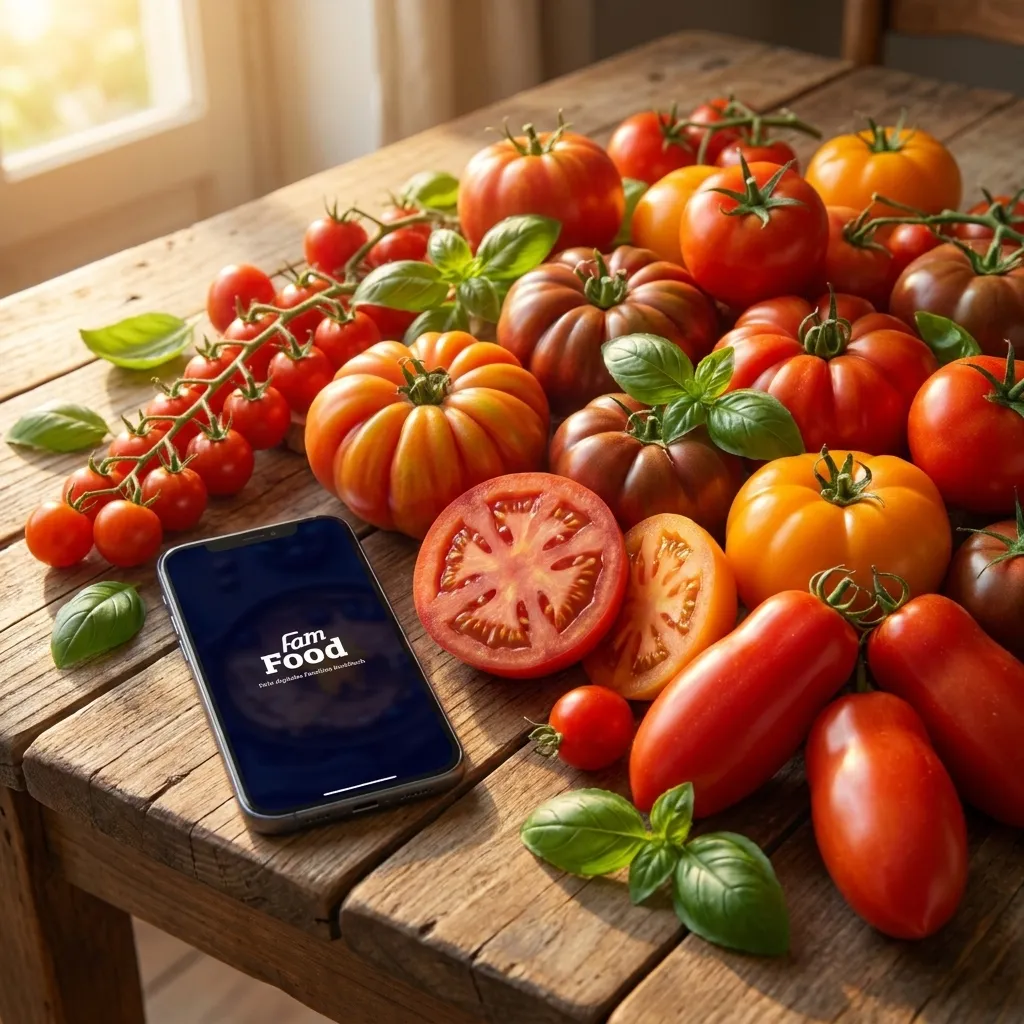
For children under 10, small sweet varieties work best: cherry and cocktail tomatoes have higher sugar content and less acidic skin than beefsteak tomatoes, which significantly improves acceptance at the table. Large varieties like Oxheart or beefsteak tomatoes provide more substance when cooked, but rarely appeal to younger kids as raw snacks.
Variety | Flavor | Texture | Kid-Friendly | Best Use |
|---|---|---|---|---|
Cherry tomato | Sweet, fruity | Bursts when cooked | ⭐⭐⭐⭐⭐ | Salad, pan, raw snacking |
Cocktail tomato | Sweet, mild | Firm, holds shape | ⭐⭐⭐⭐⭐ | Oven, flatbread, raw |
Beefsteak tomato | Balanced | Low water, lots of flesh | ⭐⭐⭐ | Shakshuka, sugo, roasted |
San Marzano | Mild, low acid | Elongated, few seeds | ⭐⭐⭐⭐ | Pasta sauce, preserving |
Oxheart | Bold, sweet | Juicy, soft flesh | ⭐⭐⭐ | Caprese, slices, sandwich |
Here's a tip often overlooked: taking kids along to pick or sort tomatoes significantly increases their willingness to try unfamiliar varieties. What they've held in their own hands ends up in their mouths more easily. Cherry tomatoes also work great as a snack on the way home from the market, providing that first contact without table pressure.
6 tomato recipes that feed the whole family
The following six dishes cover breakfast, lunch, and dinner, come together in under 35 minutes, and use no more than 8 ingredients each. All recipes work with fresh seasonal tomatoes but can also be made with canned tomatoes (drained) once the season ends.
Recipe | Meal | Time | Ingredients | Kids Can Help From |
|---|---|---|---|---|
Tomato Shakshuka | Breakfast/Brunch | 20 min. | 6 | Age 5 |
Quick Tomato Soup | Lunch | 25 min. | 5 | Age 4 |
Pasta al Pomodoro Fresco | Dinner | 20 min. | 5 | Age 6 |
Tomato Flatbread Sheet Pan | Dinner | 30 min. | 7 | Age 5 |
Tomato-Cucumber Salad with Feta | Side/Lunch | 10 min. | 6 | Age 4 |
Roasted Tomatoes with Couscous | Dinner | 35 min. | 8 | Age 7 |
Breakfast & Brunch: Tomato Shakshuka
Shakshuka is one of those rare dishes that excites both kids and adults without cooking two separate versions. You need 4 to 5 ripe beefsteak tomatoes (or one 400g can), 1 red bell pepper, 1 onion, 4 eggs, olive oil, salt, and pepper. Soften tomatoes, pepper, and onion in a pan, simmer 15 minutes, then make 4 wells and crack eggs directly into the sauce. Cover and cook 4 minutes, done.
For kids, skip the chili, and if you scoop out the tomato seeds beforehand, the sauce becomes more uniform and less slimy. Serve with baguette or toast. From age 5, kids can crack eggs themselves.
Quick Lunch Options
Tomato soup with toasted bread cubes (25 min.): Roughly dice 600g ripe tomatoes, sauté with 1 onion and olive oil, add 300ml vegetable broth, simmer 15 minutes. Blend, season with salt and a pinch of sugar. Cube toast, crisp in a pan, top the soup with it. From age 4, kids can drop toasted cubes into their bowl themselves. That turns a simple soup into a moment.
Tomato-cucumber salad with feta (10 min.): Halve 300g cocktail tomatoes, dice 1 cucumber, crumble 100g feta, dress with olive oil, lemon juice, salt, and fresh oregano. No cooking, no cleanup except the knife.
Dinner Without Endless Dishes
Pasta al Pomodoro Fresco (20 min.): Cook 400g pasta. Meanwhile, roughly dice 400g ripe tomatoes, sauté with 2 garlic cloves in olive oil 5 minutes, season with salt. Drain pasta, toss directly into the tomato pan, mix, top with fresh basil. Done. For kids, skip chili and go easy on garlic. San Marzano or beefsteak tomatoes give the sauce enough body without needing canned tomatoes.
Tomato flatbread sheet pan (30 min.): Slice flatbread, spread with sieved tomatoes, top with halved cocktail tomatoes, mozzarella, oregano, olive oil. Bake at 220°C for 15 minutes. From age 5, kids can assemble the toppings independently, which more than doubles their acceptance compared to a finished plate.
Roasted tomatoes with couscous (35 min.): Halve 500g tomatoes, roast with olive oil, garlic, and herbs at 200°C for 25 minutes. Pour boiling water over couscous, let sit 5 minutes. Spoon roasted tomatoes and their juice over the couscous. True one-pan cooking that works even when the evening is tight.
How do you get kids to actually eat tomatoes?
The most common reason kids reject tomatoes is not the flavor but the slimy texture of the seed chambers. Removing those while cooking or chopping tomatoes fine and folding them into sauce makes a big difference at the table. According to a Federal Center for Nutrition (BZfE) overview, repeated, low-pressure offering of vegetables matters more than the cooking method itself.
Three concrete approaches that work:
Defuse the texture: Halve tomatoes and scoop seeds out with a small spoon before they hit the pan. Or roast them: heat softens the skin and concentrates the juice, both reducing the "slime factor."
Cook with kids: Toss cherries in the pan, top the flatbread, crack eggs. Anyone who cooked becomes curious about the result. What we observe with FamFood users: kids who pick a recipe from a list themselves try it about twice as often as a dish served without their input.
Hidden or visible? Pureeing tomatoes into sauce works short-term but trains no acceptance. Better: cook visibly but in small amounts to start, like three cherry tomatoes in the cucumber salad, not a tomato pile.
What do you do if you end up with too many tomatoes after the farmers market?
Tomatoes stay fresh at room temperature, never in the fridge, for 4 to 6 days. If you bought more than planned, you can blanch and freeze them, make a simple base sauce, or preserve as sugo in portions for weeks ahead. The fridge destroys flavor forever: temperatures below 12°C interrupt the ripening processes in the tomato and break down the aromatic compounds that create fruity flavor, a reaction that cannot reverse once the tomato is removed.
Freezing in three steps: Dunk tomatoes in boiling water (30 seconds), shock in ice water, peel. Freeze on a sheet, then transfer to freezer bags. Lasts up to 12 months, ideal for winter soups and sauces.
Quick sugo in 20 minutes: Roughly dice 1kg ripe tomatoes, simmer with 2 garlic cloves, olive oil, salt, and fresh basil 20 minutes. Strain through a colander, fill hot sterilized jars. Makes 5 to 6 small jars that last through fall and work for every pasta night.
Learn more about smart pantry management and meal planning in the article Create Smart Shopping Lists - FamFood Makes Your Day Easier.
Where do you find all your tomato recipes later when the season ends?
Recipes on paper or in browser bookmarks usually disappear before the next season arrives. If you save family recipes digitally and sort by season, you'll have instant access next July without searching from scratch. The problem isn't lack of interest but lack of structure: most families hunt for their tomato favorites from zero every year.
With FamFood, you can sort recipes by season, category, and occasion, save the six dishes from this post directly, and pull them up next summer with one tap, no Googling, no searching. The category feature automatically shows you all summer recipes in July, even the ones you forgot by winter.
And if seasonal cooking interests you broadly: the article Cooking Seasonally: Your Year-Round Guide gives you an overview of all German harvest windows, not just tomatoes.
Frequently Asked Questions
When are tomatoes in season in Germany?
German field tomatoes peak from July to September. During this window, they're fully ripe, aromatic, and significantly cheaper than greenhouse varieties. Outside these months, supermarket tomatoes mostly come from Spain, Morocco, or Dutch greenhouses and are harvested unripe for transport, which reduces flavor and lycopene content (BMEL Seasonal Calendar, 2024).
Which tomatoes are best for cooking with kids?
For children under 10, cherry and cocktail tomatoes work best: they're sweeter, less acidic, and easier to portion into halves or quarters. For sauces and roasted dishes, San Marzano is excellent because it has few seeds and lots of flesh. Beefsteak tomatoes add substance to shakshuka and sugo but are less popular raw for younger kids.
Can I freeze tomatoes, and do they lose flavor?
Yes, tomatoes freeze well. Flavor remains largely intact, but texture turns soft after thawing, making them ideal for sauces, soups, and sugo but unsuitable for salads. Blanch briefly (30 seconds in boiling water), shock in ice water, and peel before freezing. They'll last up to 12 months and are ready to use straight from the freezer.
How do I use tomatoes that are already getting soft?
Soft tomatoes are excellent for sugo, tomato soup, or shakshuka because they break down faster and release deeper flavor than firm fruit. Simply chop, simmer with olive oil and garlic 15 to 20 minutes, and either use immediately or transfer to jars. Cut away any moldy spots generously; the rest is completely usable.
Are raw tomatoes safe for small children?
Yes, raw tomatoes are suitable for children from the introduction of solids onward. The BZfE recommends fresh vegetables as a daily part of children's nutrition. The most common rejection problem with tomatoes is the texture of the seed chambers, not intolerance. Scooping out seeds or chopping tomatoes into small dice solves this issue for most children under 8.
About FamFood: We build FamFood for families who love good food but don't want to figure out dinner from scratch every night. Behind the app is real kitchen experience from family life, not a nutrition lab. Our goal: save recipes where you'll actually find them, ready at hand the moment you need them.